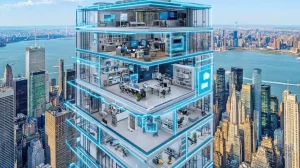

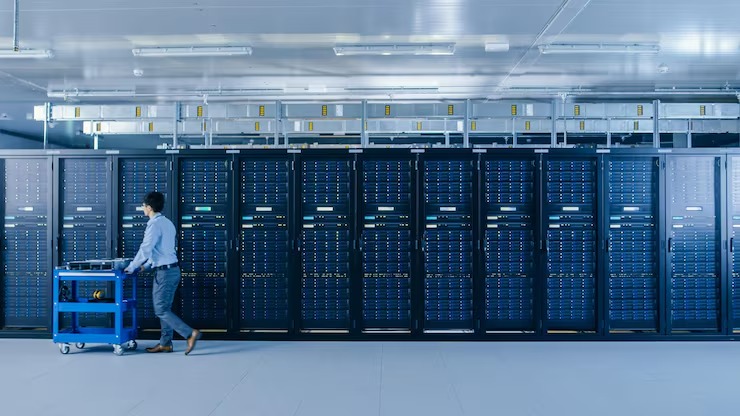
A data center building management system is gaining popularity in modern data centers. These data centers operate 24/7, handling complex mission-critical tasks. Unlike ordinary offices, data centers handle vast amounts of data requiring highly accurate computations. Thus, the servers have to remain stable and operational around the clock.
If temperatures get too high, the servers could crash. An abrupt power loss could cause equipment to switch off, losing or corrupting unsaved data. This is where the AI-driven BMS for data centers comes in, as it can detect such situations before they become a problem.
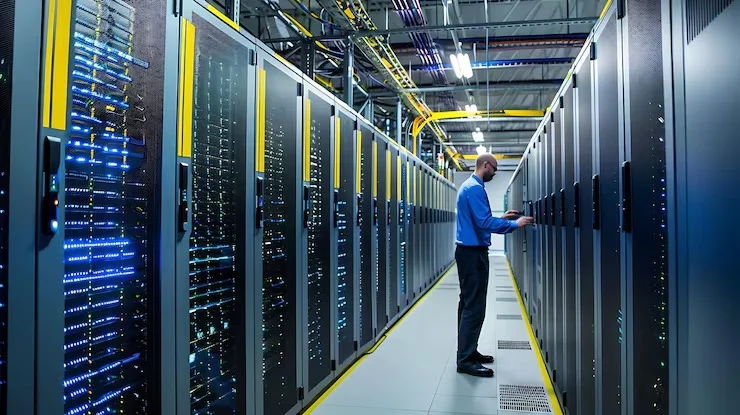
A BMS continuously monitors, adjusts, and controls the whole data center environment. Building management systems for data centers is crucial for the transformation and automation of traditional centers. This detailed article explains the roles the BMS plays in data center automation and shares some implementation and usage tips.
What is a BMS?
A building management system is a type of software that monitors, controls, and manages the appliances within a property, such as a data center. These are systems and subsystems that a building uses to run efficiently, including HVAC, lighting fixtures, security devices, and intrusion detection devices.
A data center building management system combines and supervises these systems and subsystems from a central point. The unified and centralized viewing point enables facility managers to monitor and alter key parameters to achieve energy efficiency. In a modern data center, a BMS automates and optimizes processes to ensure real-time data collection is creative and fast.
Data Center Building Management System Automation Roles Explained
A data center building management system offers these roles:
- Monitoring and Collecting Data in Real-time
A data center runs various systems and subsystems, each demanding real-time monitoring to detect critical errors. Traditional data centers can enhance monitoring and data collection with a BMS. This system can produce data on parameters such as humidity, temperature, energy usage, and air circulation.
It can reveal the current status of the data center environment, issuing instant signals on anomalies. Managers can then act proactively to help the system run normally. Real-time monitoring enables managers to gather valuable data around the clock, tracking important metrics in real-time.
This detailed reporting supports data-driven decision-making. A BMS ensures visibility across all data center systems, offering centralized visibility. Hence, data center operators and managers can check the current condition of every system and subsystem throughout the day.
- Energy Conservation and Optimization
In an AI data center, servers consume high amounts of electricity while releasing substantial heat. A data center building management system introduces intelligent temperature control and other advantages. This smart cooling control can adjust airflow directions depending on whether the servers have heavy or light workloads.
The cooling effect can keep the equipment running at normal temperature levels and offer it longevity. Concurrently, intelligent cooling can reduce power consumption. A BMS for data centers achieves energy efficiency by monitoring power usage and backup systems.
It will trigger the backup systems to keep the data center processes running during a sudden power interruption. This BMS also transforms lighting and security systems. It can adjust lighting intensity based on occupancy.
The BMS can also monitor and control access control and security systems, such as alarms, to prevent unforeseen intrusion. Providing real-time power usage effectiveness status, a BMS can reveal when certain data center areas experience low efficiency.
It can also distribute power loads to optimize usage of less-utilized assets and avoid overutilization of some systems. A data center building management system is the perfect tool to help you meet your sustainability goals, including reducing your carbon footprint.
- Automation
A data center building management system makes automated responses possible. If temperatures rise abnormally during server overloads, a BMS can automatically adjust cooling levels. It can also trigger backup power generators as soon as the main electricity shuts down.
This type of automation ensures continuous operations within a data center. Automation reduces human error to improve productivity and performance. A BMS can automate lighting based on room occupancy and working schedules to minimize energy wastage.
- Enhanced Access Control and Security
A data center building management system can enhance access control and the safety of equipment and you. As it integrates alarms, surveillance devices, and access controls into one platform, a BMS delivers centralized data visibility.
Those in charge of cybersecurity or physical security can rely on this data visualization to do their job accurately. With BMS data center software, you can limit access to sensitive areas to authorized persons.
If centralized surveillance and intrusion detection systems detect something suspicious, they will alert security officials to investigate the incident. If a security breach occurs, the data center building management system may send an instant alert to the security officials or lock the area automatically. Therefore, a BMS enhances incident response.
- Predictive Equipment Maintenance
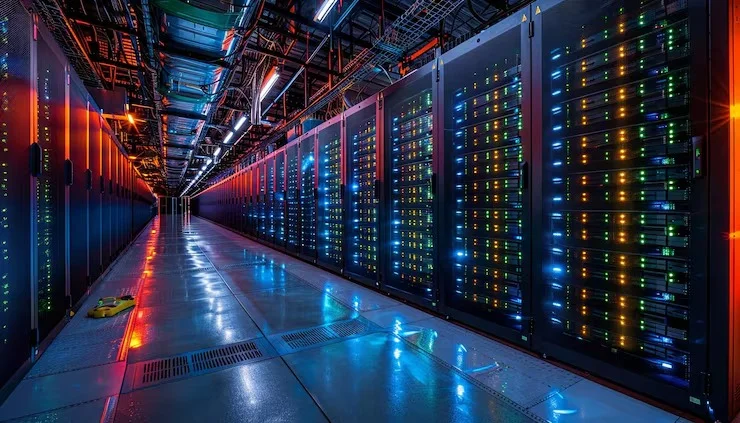
An AI data center or even a traditional one cannot afford to suffer downtime at any given time. That’s why a data center building management system is a crucial tool. It generates live data insights that can alert the data center operators about potential equipment failures.
This tool enables them to practice predictive maintenance on their equipment and prevent downtime. If the health of any system is deteriorating, they can schedule maintenance work before it fails. Early detection of equipment anomalies can help operators detect and solve signs of wear and tear or inconsistent power usage.
A BMS reduces downtime largely by detecting and responding to problems as soon as possible, making equipment more reliable. Predictive maintenance scheduling enables operators to allocate resources more efficiently. This is to reduce repair costs and increase the equipment’s lifespan.
- Data Center BMS Implementation and Usage Tips
A data center building management system offers some advantages. It eliminates manual labor, increases energy efficiency, and minimizes downtime. A BMS can help you achieve sustainability goals. How well you implement and utilize BMS can determine whether you can benefit from it.
Here are the best practices to ensure when implementing and using your BMS:
- Set Achievable Goals – Base your BMS implementation goals on what you wish to achieve. For instance, you may want to enhance equipment uptime, lower energy consumption, reduce security breaches, or automate scheduling.
- Integration – As you choose a suitable data center building management system, focus on existing systems within the building. Integrate your BMS with them to ensure data exchange across your systems and centralize visualization and responses.
- Scalability – The best data center building management system to install is the one that can grow with your business. Your business growth should not outgrow the BMS. It should even support your operations in several sites.
- Use Data for Quick and Accurate Decision-Making – A data center BMS is a continuous monitoring tool that generates information on the statuses of different systems and subsystems. Take advantage of this valuable data by using it to make better decisions and respond quickly to prevent downtimes and losses.
Verdict
A data center building management system is the best tool for transforming and automating your workplace. A BMS is among the most essential advanced technologies for high-pressure workplaces such as data centers.
Its continuous monitoring and reporting actions make predictive maintenance possible, keeping servers and systems in good working conditions. Automated controls allow the BMS to trigger power generators during an outage.
It also triggers intelligent cooling when the server overheats the equipment. AI-driven building management systems are the appropriate solution if you want to transform your traditional data center and help it run at peak performance.